
Productivity
How Many Tasks Should You Plan in a Day?
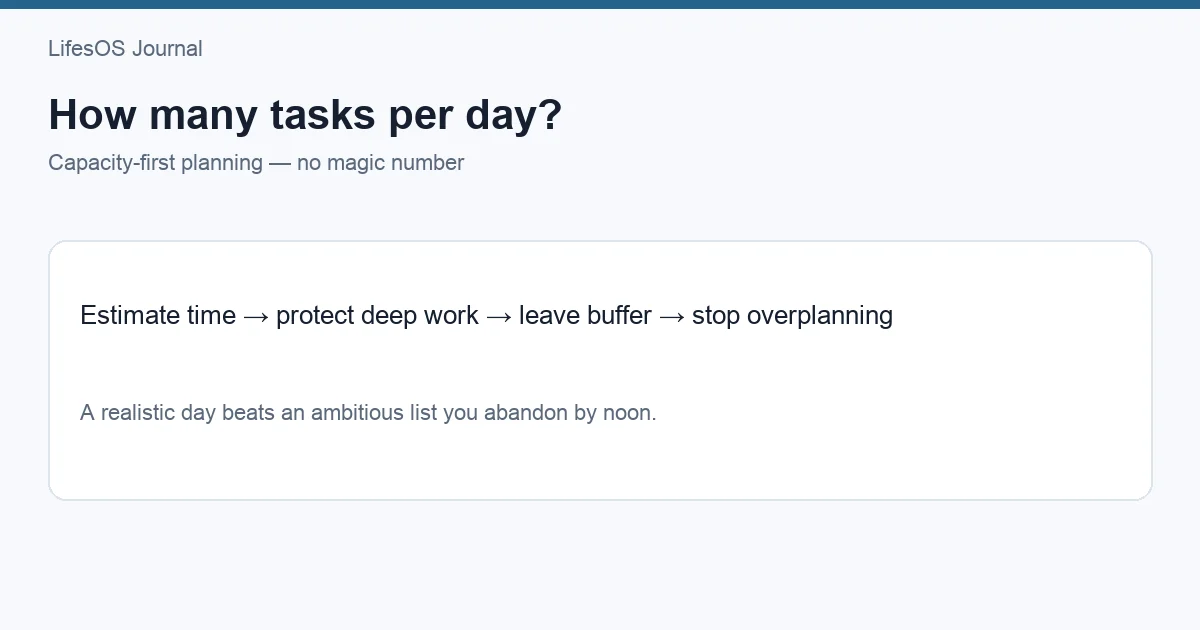
There is no universal perfect number of daily tasks. Plan one major outcome plus a few smaller tasks, using time estimates, fixed commitments, energy, and buffer to set the real limit.
LifesOS Journal
Practical ideas for running daily life with more clarity.
Productivity
There is no universal perfect number of daily tasks. Plan one major outcome plus a few smaller tasks, using time estimates, fixed commitments, energy, and buffer to set the real limit.
Personal Finance
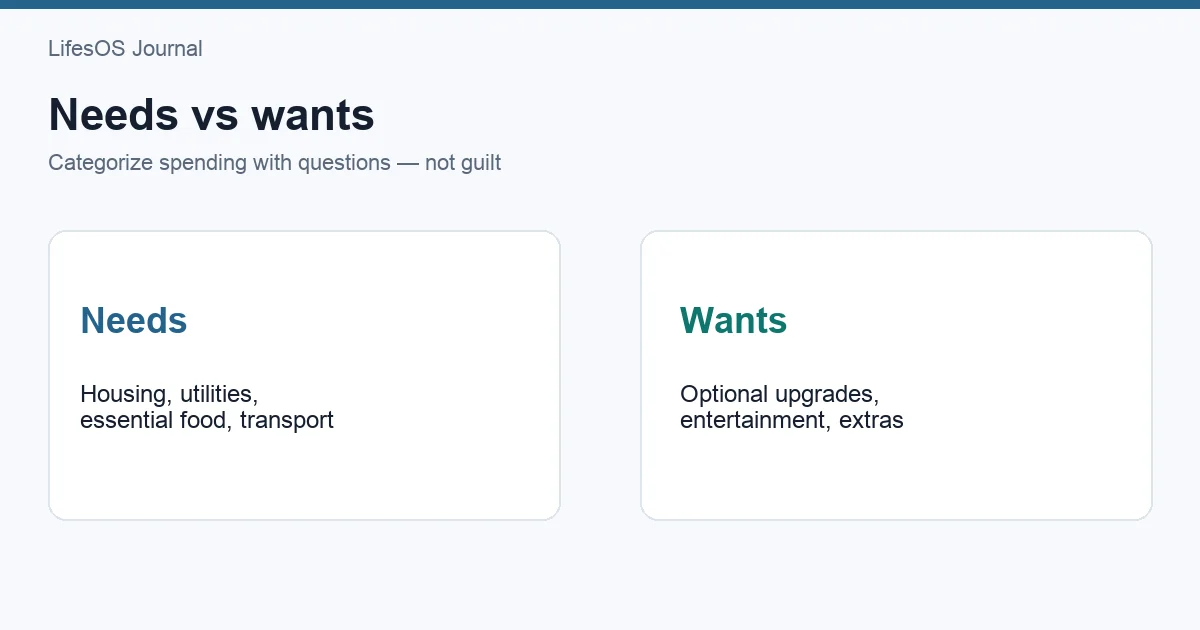
Needs cover the minimum cost of protecting health, safety, income, and essential obligations; wants improve comfort, convenience, or enjoyment. Context determines many borderline expenses.
Productivity
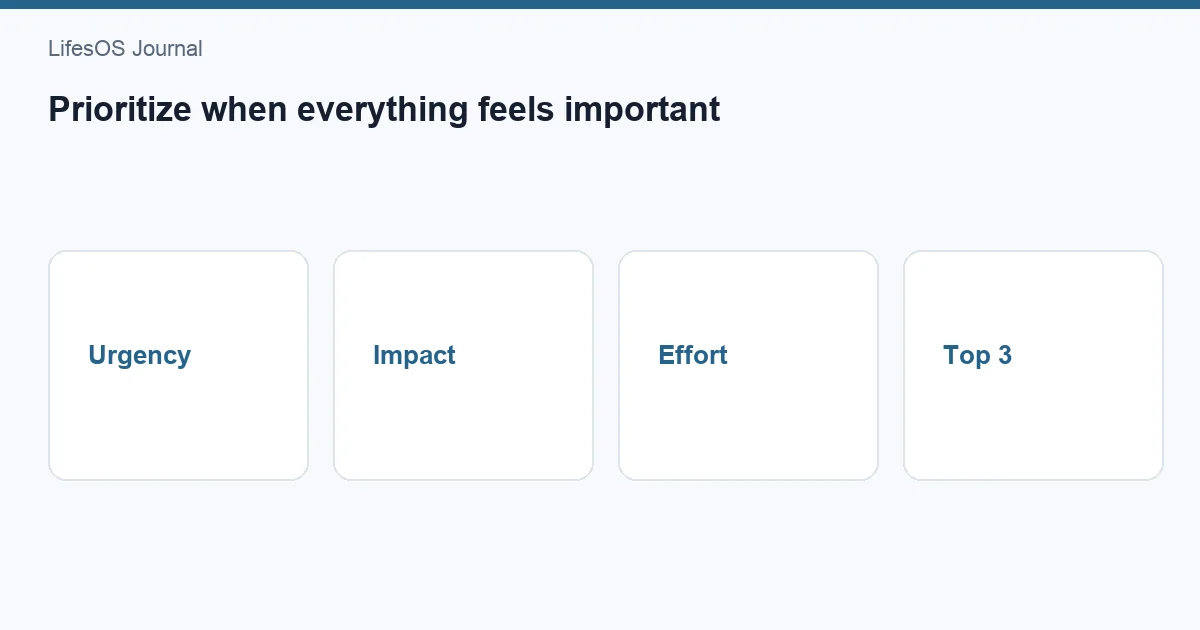
When everything feels important, separate true deadlines from pressure, compare consequences and impact, then commit to a small Top 3 that fits today's capacity.
LifesOS Guides
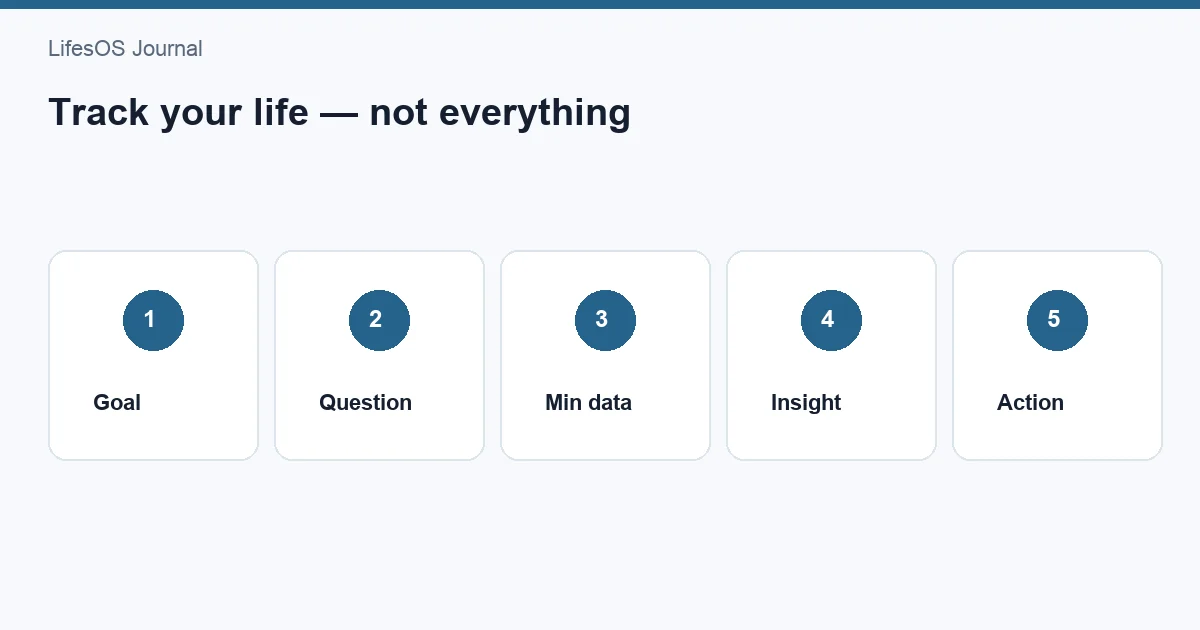
Track only the minimum data needed to answer a current question, review it on a useful cadence, and stop when it no longer changes a decision.
Fitness & Activity
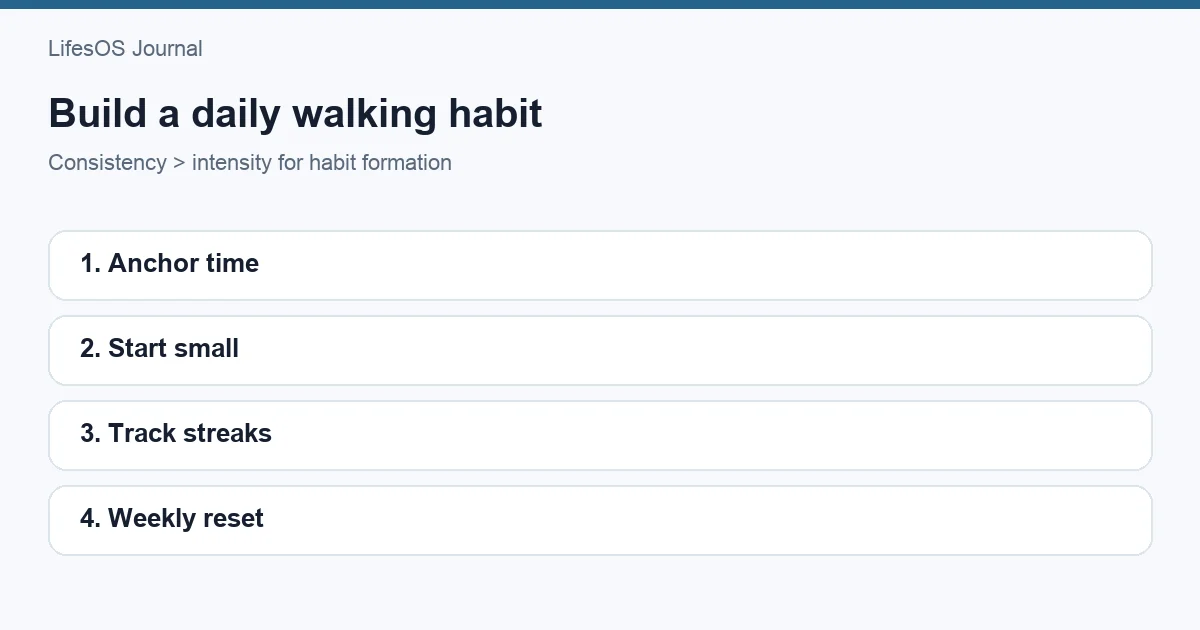
A daily walking habit becomes consistent when it has a reliable cue, a small minimum, a place in your schedule, and a fallback for disrupted days.
Nutrition
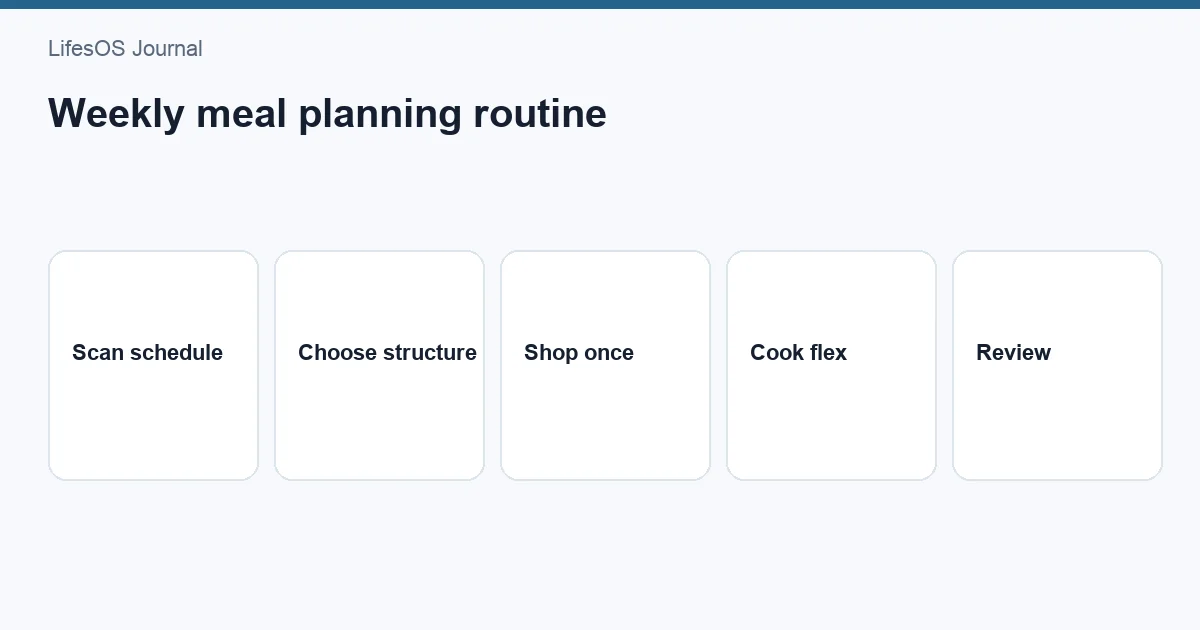
A useful weekly meal planning routine starts with your calendar, chooses a small set of flexible meals, creates one practical shopping list, and leaves room for change.
Personal Finance
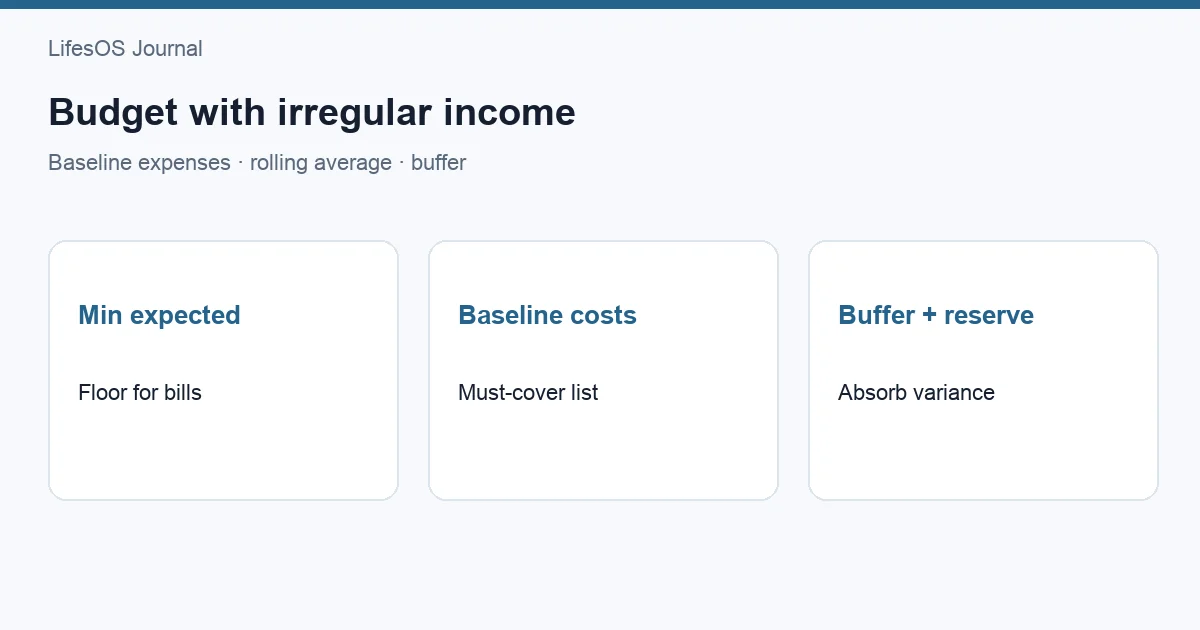
Budgeting with irregular income works when essential expenses are built around a conservative income floor, extra income follows preset priorities, and a buffer smooths uneven months.

AI & Life
A chatbot primarily produces conversational responses; an AI assistant helps complete tasks using relevant context, tools, permissions, and reviewable actions.
Personal Finance
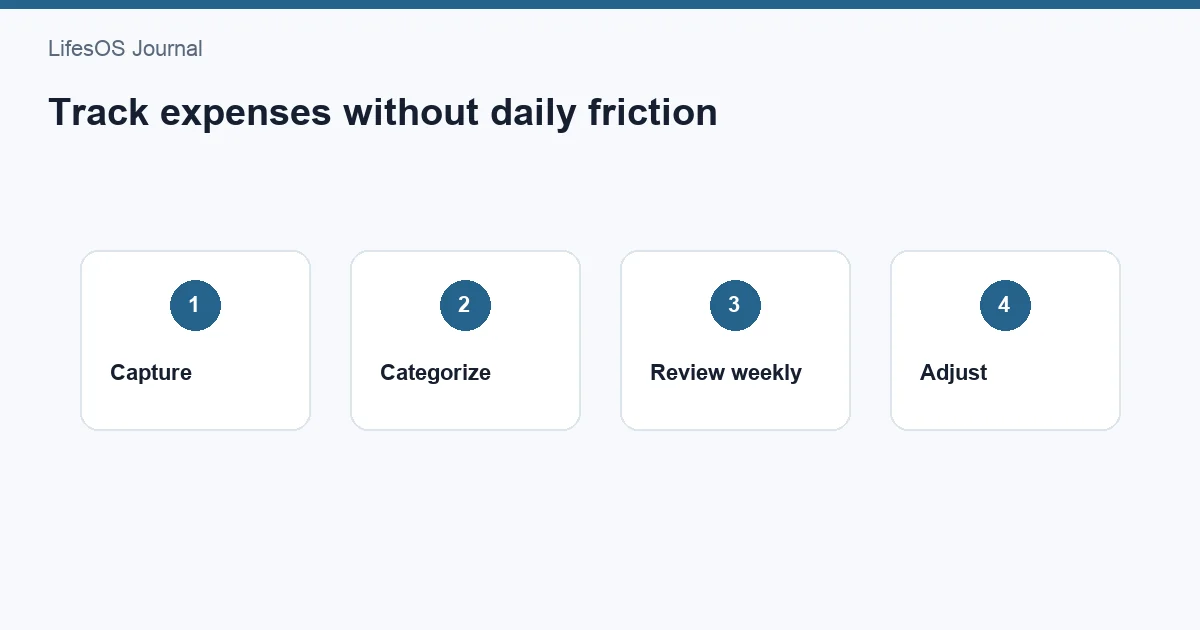
Sustainable expense tracking uses fast capture, consistent categories, and a weekly review — not perfect daily bookkeeping.
Nutrition
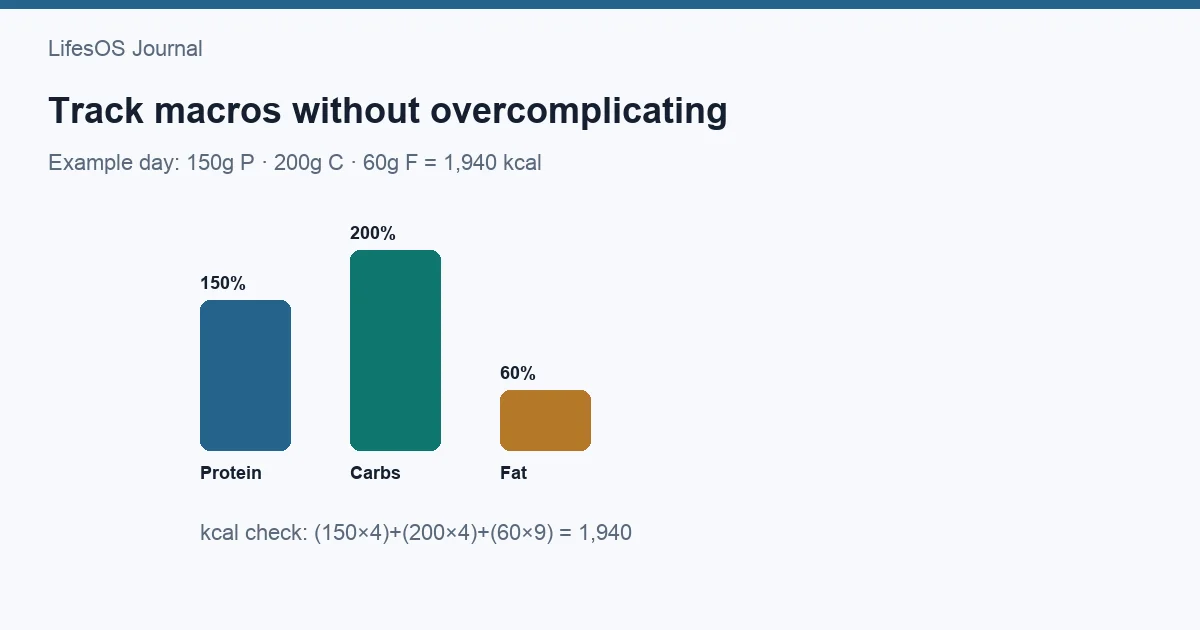
Track macros sustainably by prioritizing protein, using simple portion estimates, spot-checking the 4/4/9 calorie math, and avoiding all-or-nothing logging.
Personal Finance
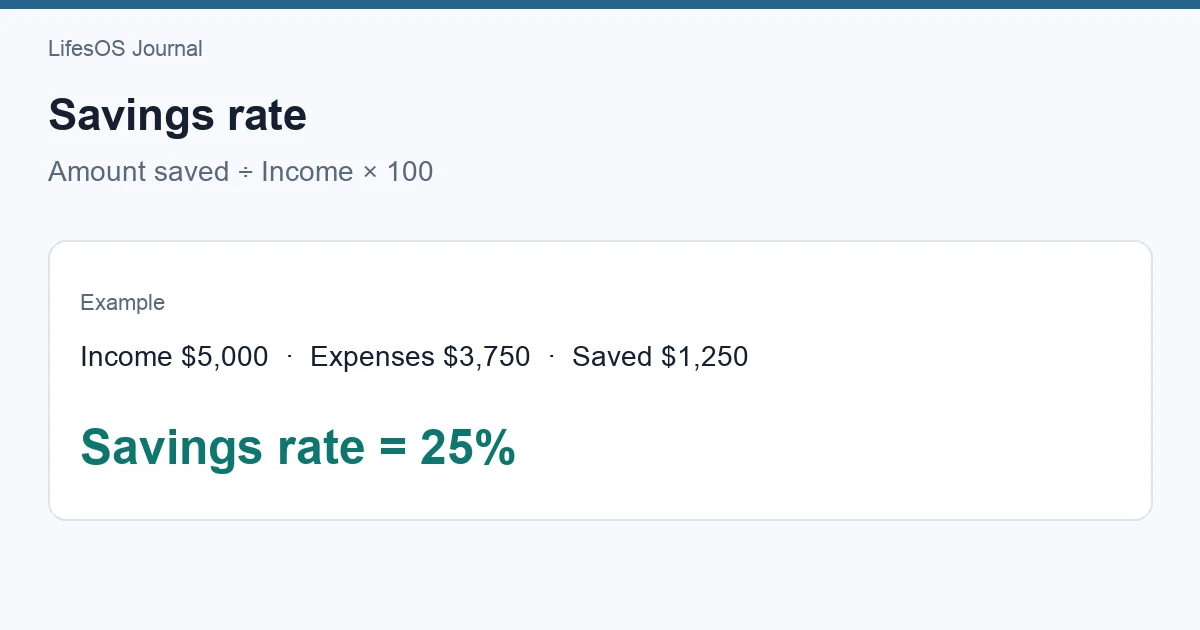
Your savings rate is the percentage of income you save rather than spend in a period. Formula: (Income − Expenses) ÷ Income × 100 — or Savings ÷ Income × 100.
Nutrition
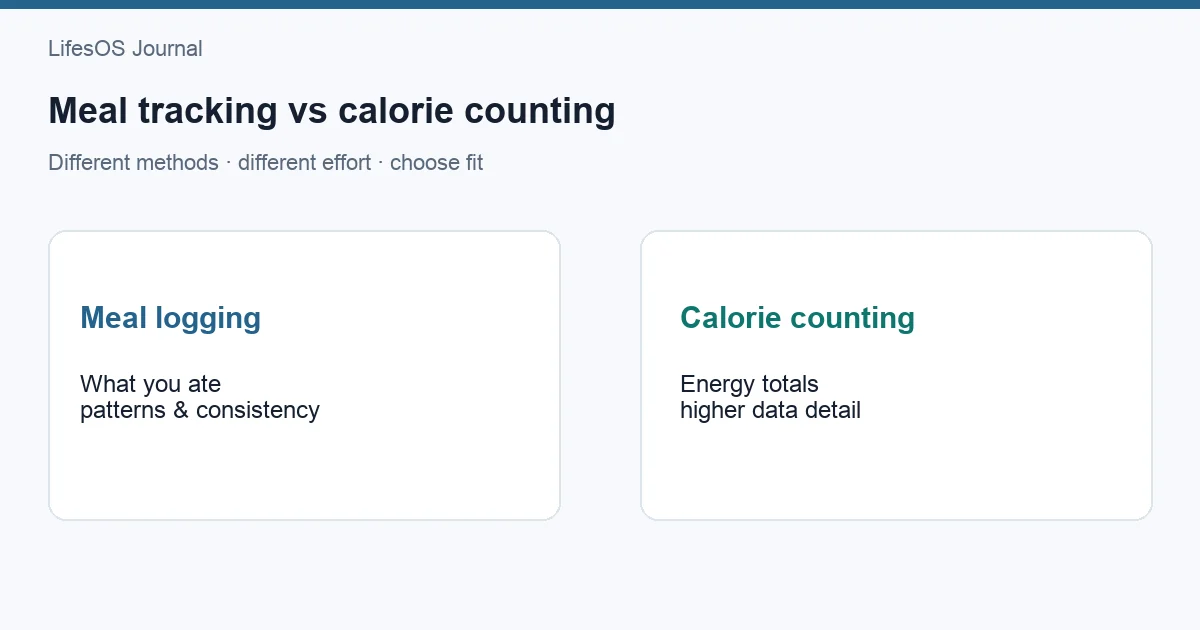
Meal tracking records what and when you eat; calorie counting estimates food energy. Macro tracking adds nutrient detail, while food journaling adds context.
Productivity
There is no universal perfect number of daily tasks. Plan one major outcome plus a few smaller tasks, using time estimates, fixed commitments, energy, and buffer to set the real limit.
Personal Finance
Needs cover the minimum cost of protecting health, safety, income, and essential obligations; wants improve comfort, convenience, or enjoyment. Context determines many borderline expenses.
Productivity
When everything feels important, separate true deadlines from pressure, compare consequences and impact, then commit to a small Top 3 that fits today's capacity.