

Personal Finance
Financial Discipline Over Motivation: Build Money Habits That Last
Motivation fades. Discipline compounds. Financial freedom rarely starts with earning more—it starts with consistent decisions using the money you already have.
LifesOS Journal
Practical ideas for running daily life with more clarity.
Personal Finance
Motivation fades. Discipline compounds. Financial freedom rarely starts with earning more—it starts with consistent decisions using the money you already have.
Personal Finance
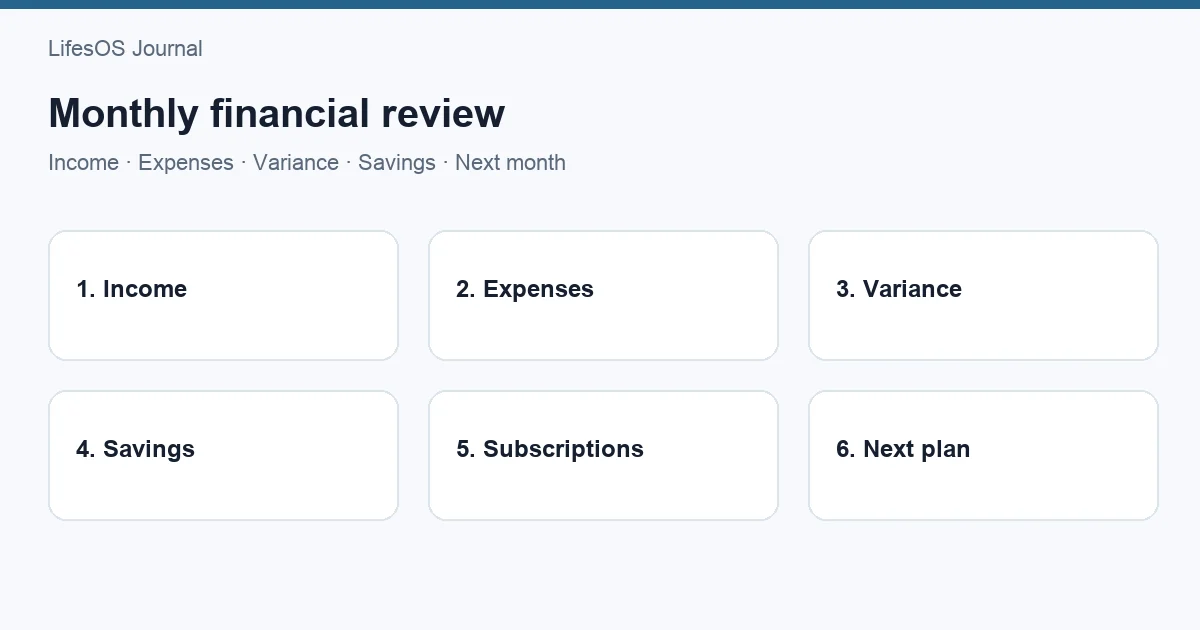
A monthly financial review closes the books on the past month, explains meaningful differences between plan and reality, and turns those findings into a better plan for next month.
Personal Finance
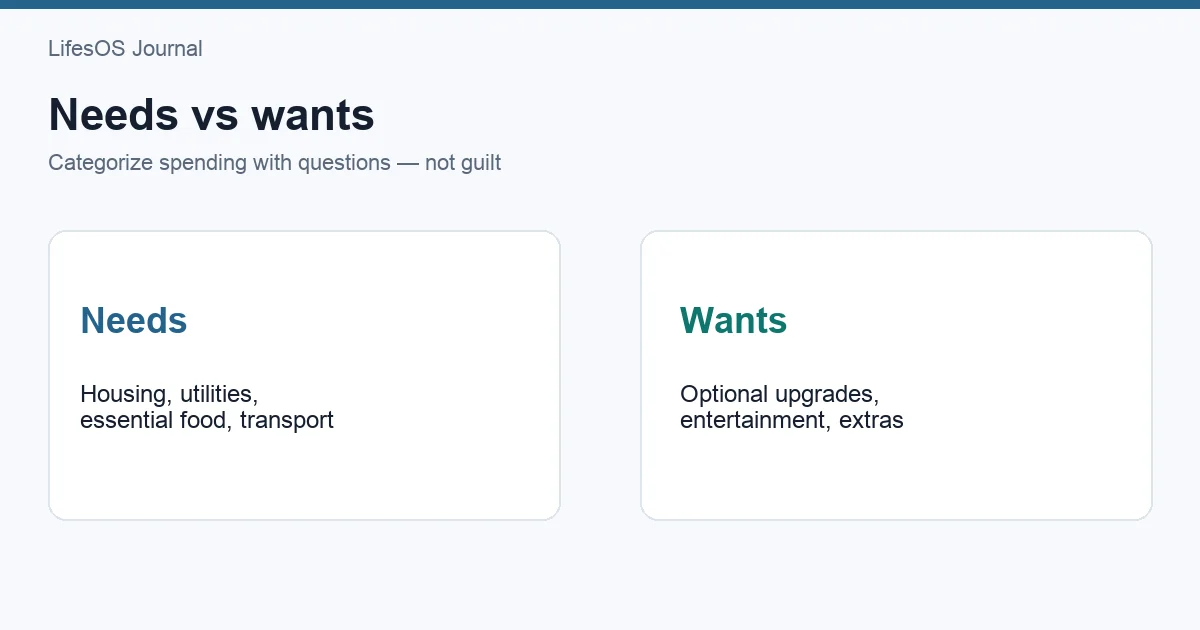
Needs cover the minimum cost of protecting health, safety, income, and essential obligations; wants improve comfort, convenience, or enjoyment. Context determines many borderline expenses.
Personal Finance
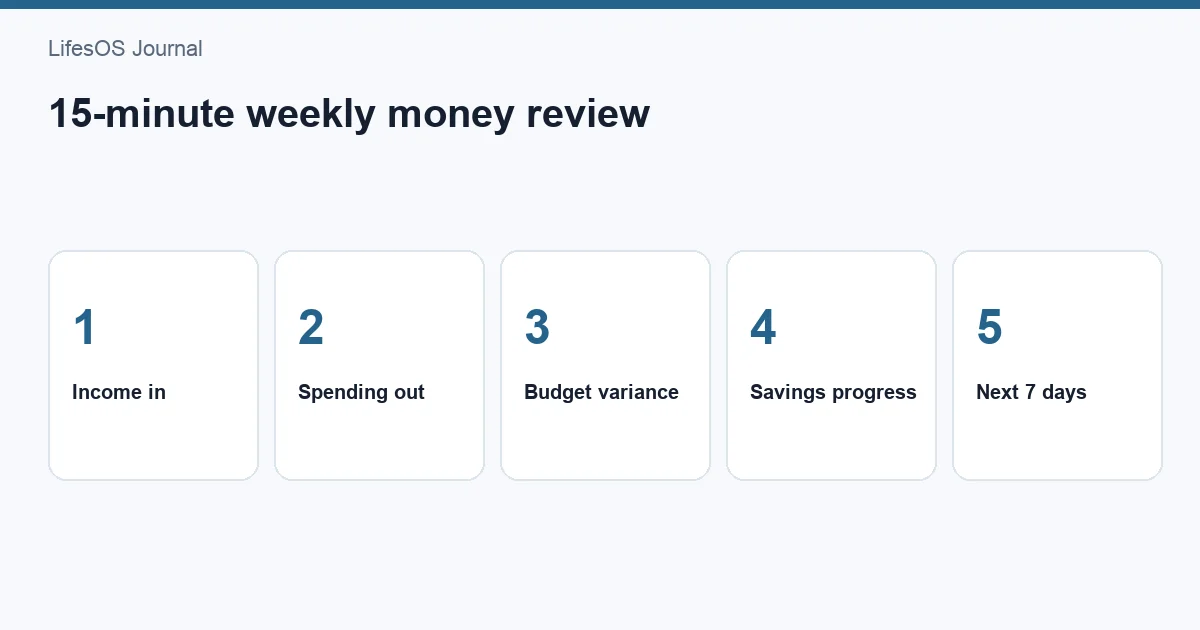
A weekly money review is a 15-minute check of five numbers — income, spending, budget variance, savings, and upcoming obligations — so small drifts don’t become month-end surprises.
Personal Finance
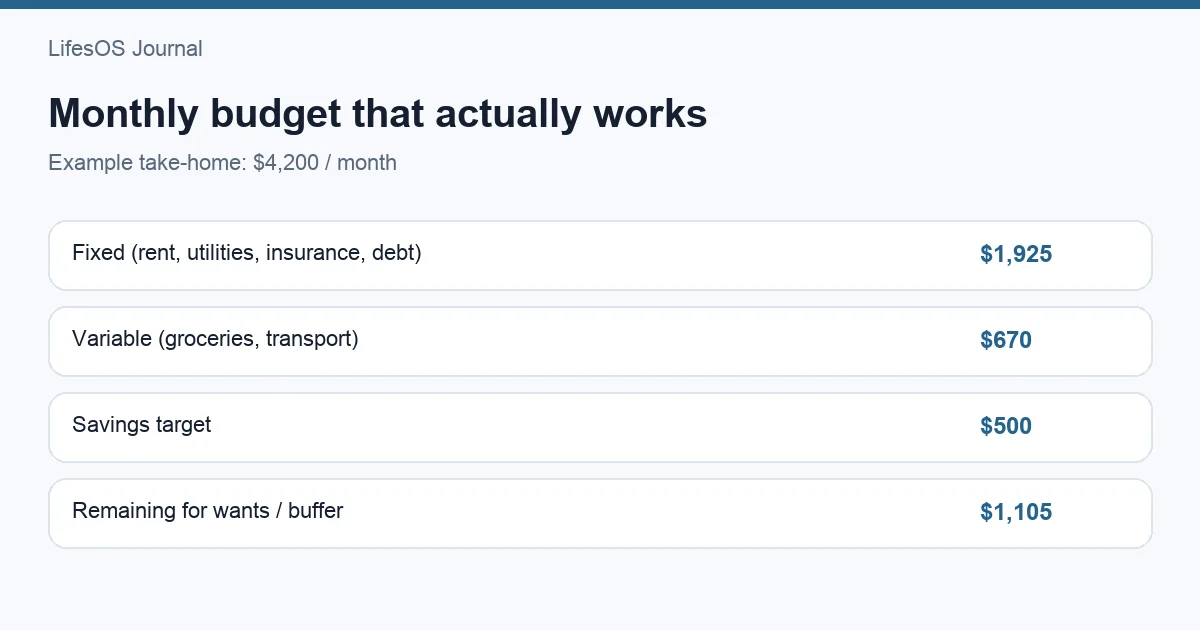
A working monthly budget starts from take-home income, funds fixed costs and savings on purpose, and gets a short weekly review — not a perfect spreadsheet.
Personal Finance
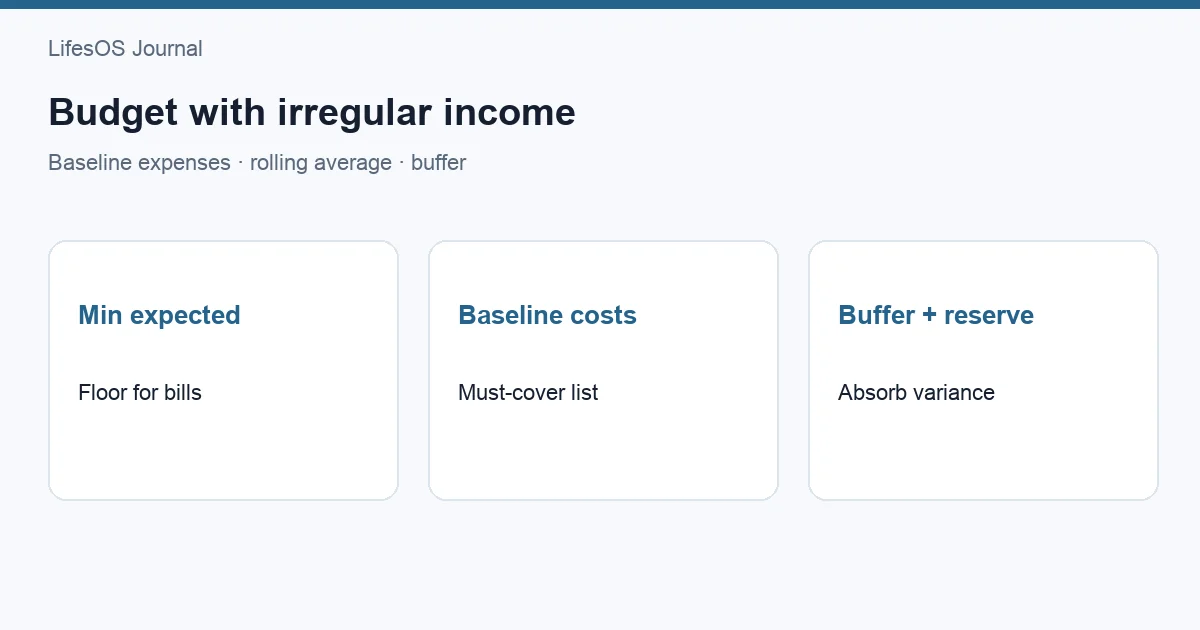
Budgeting with irregular income works when essential expenses are built around a conservative income floor, extra income follows preset priorities, and a buffer smooths uneven months.
Personal Finance
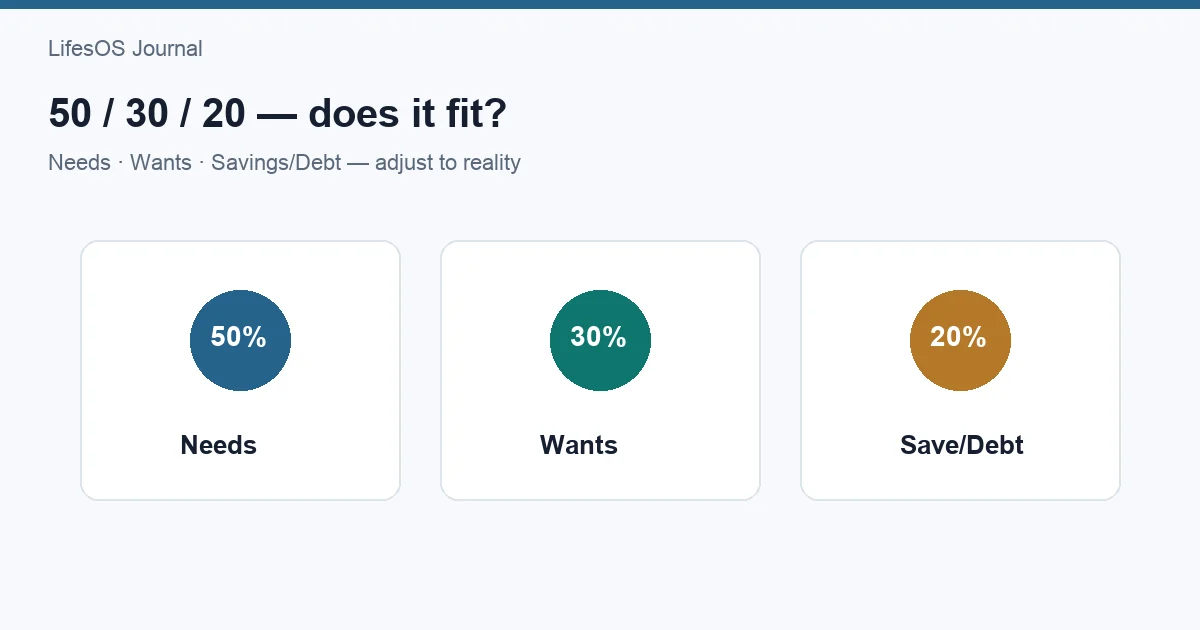
The 50/30/20 rule is a useful diagnostic, not a universal law. Learn the categories, test your numbers, and adjust the percentages to fit your constraints.
Personal Finance
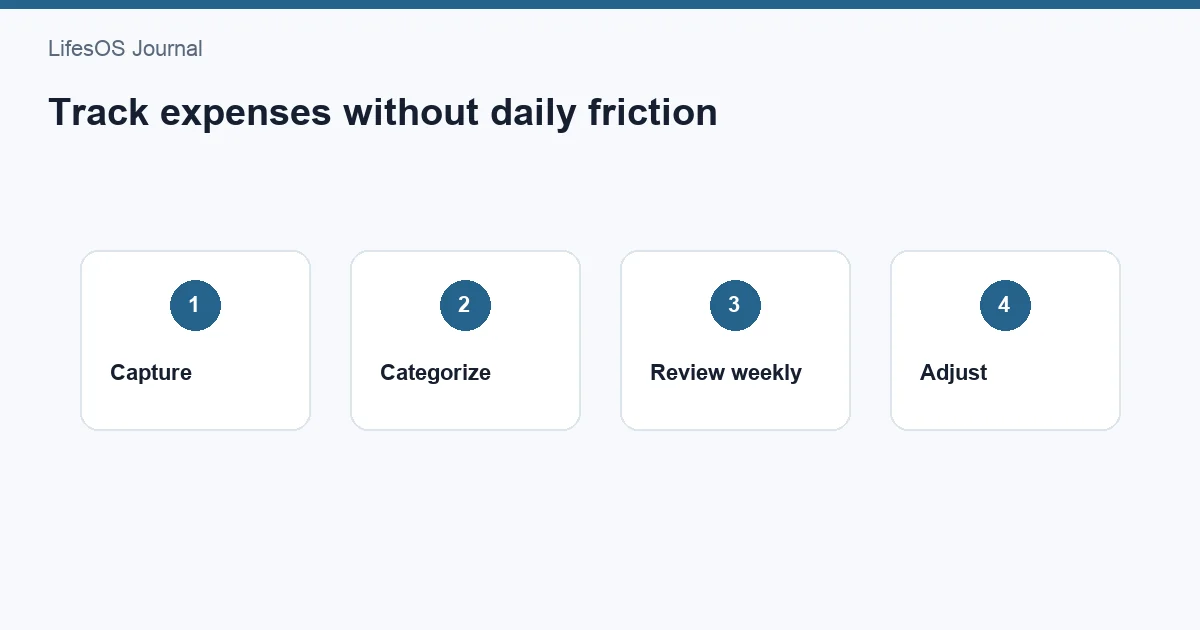
Sustainable expense tracking uses fast capture, consistent categories, and a weekly review — not perfect daily bookkeeping.
Personal Finance
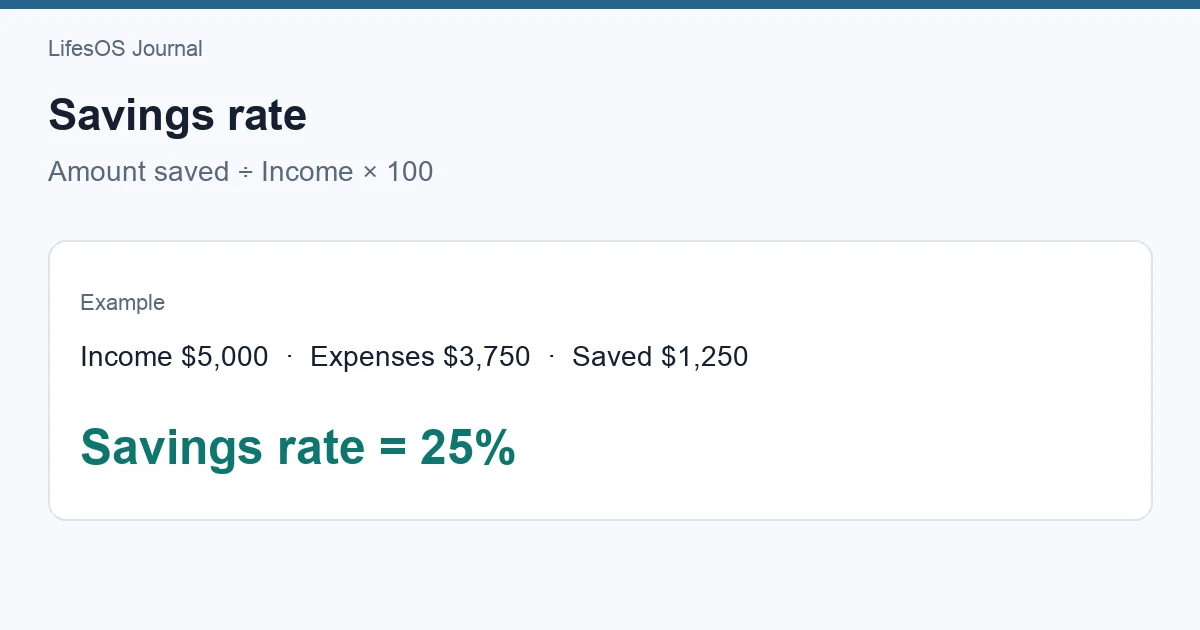
Your savings rate is the percentage of income you save rather than spend in a period. Formula: (Income − Expenses) ÷ Income × 100 — or Savings ÷ Income × 100.
Personal Finance
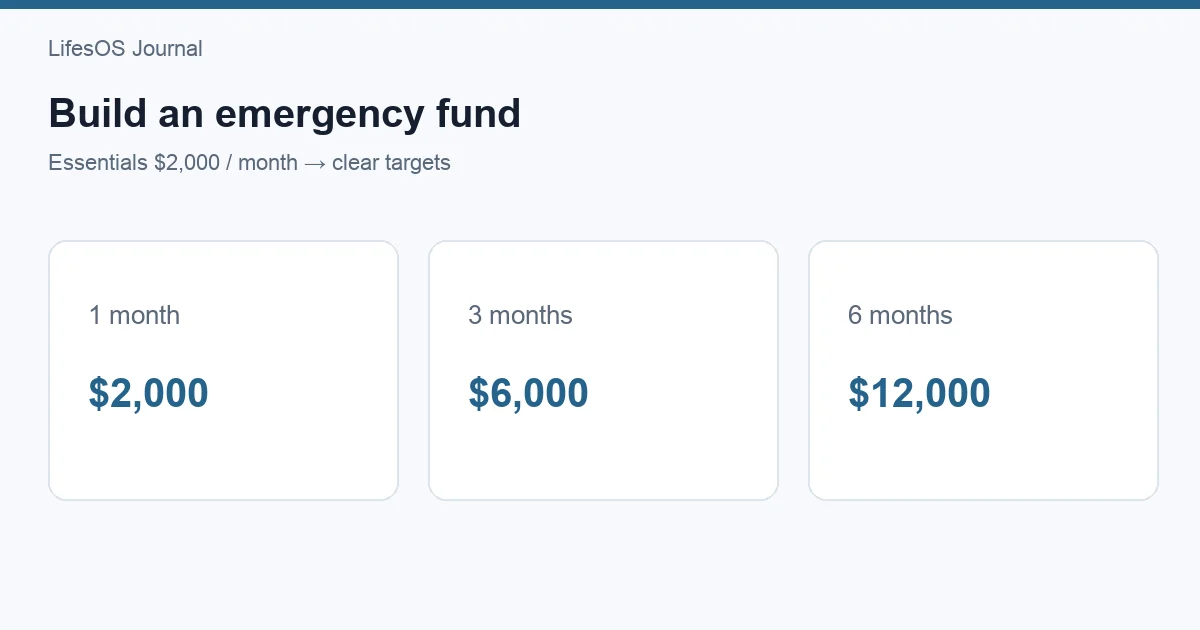
Build emergency savings in practical stages: define the fund, calculate a target from essential costs, automate contributions, and set clear rules for using it.
Personal Finance
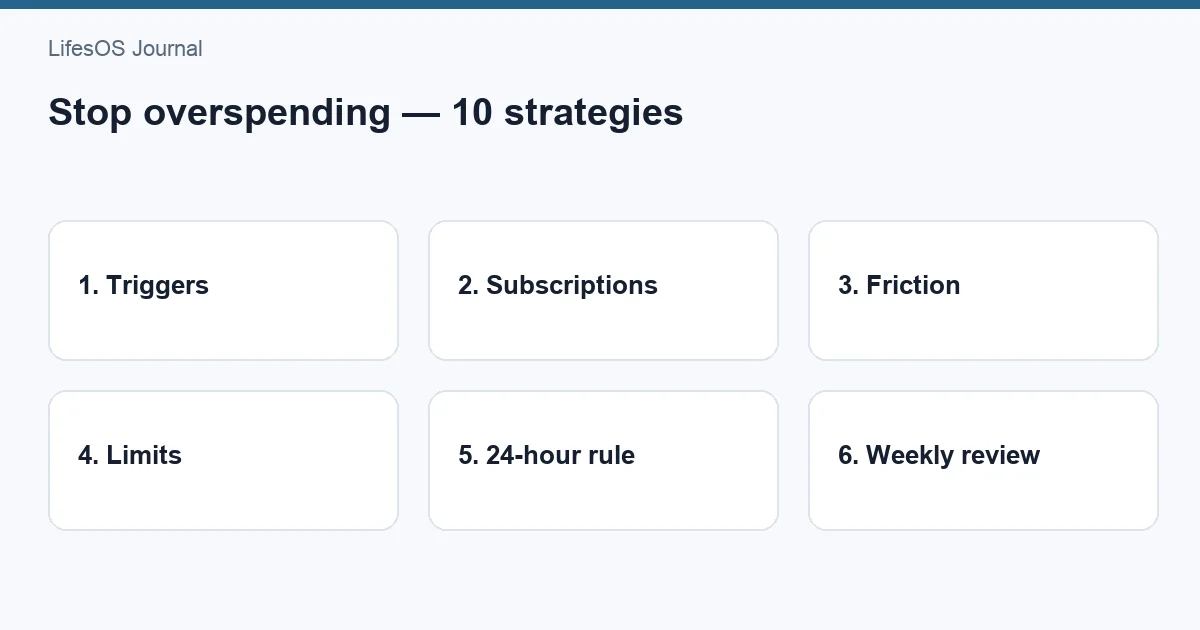
Stop overspending by finding the situations that cause it, adding friction before purchases, setting usable category limits, and reviewing money weekly.
Personal Finance
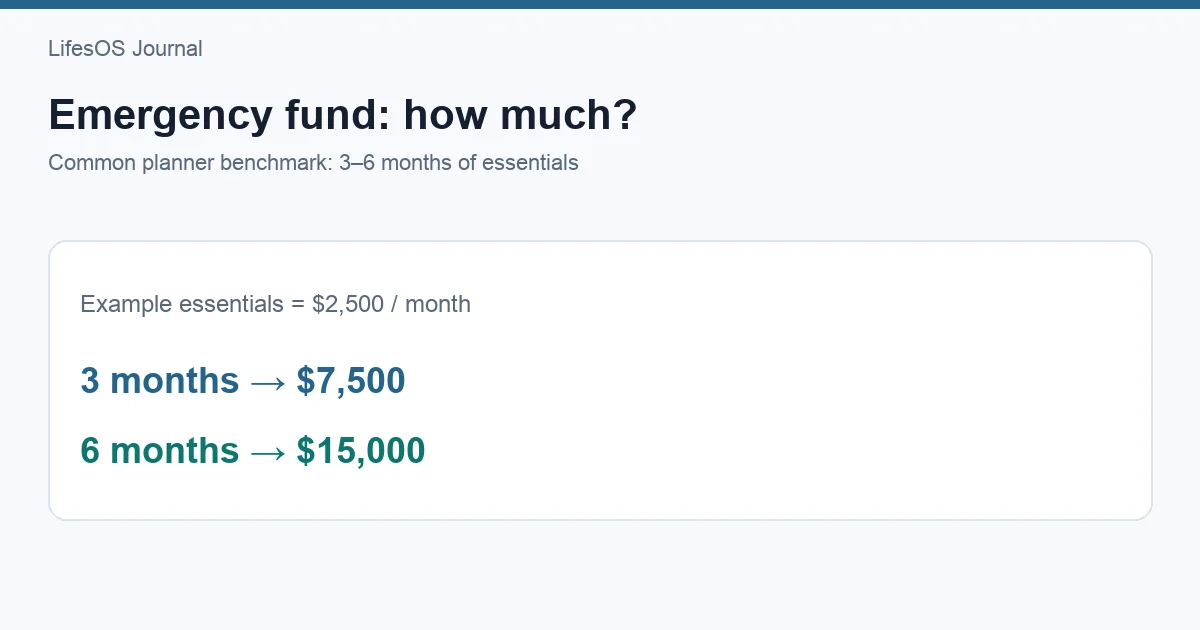
Your emergency fund target should reflect essential monthly costs, income stability, insurance, dependents, and access to backup support—not a single universal number.
Personal Finance
A monthly financial review closes the books on the past month, explains meaningful differences between plan and reality, and turns those findings into a better plan for next month.
Personal Finance
Needs cover the minimum cost of protecting health, safety, income, and essential obligations; wants improve comfort, convenience, or enjoyment. Context determines many borderline expenses.
Personal Finance
A weekly money review is a 15-minute check of five numbers — income, spending, budget variance, savings, and upcoming obligations — so small drifts don’t become month-end surprises.