Personal Finance
Financial Discipline Over Motivation: Build Money Habits That Last
Motivation fades. Discipline compounds. Financial freedom rarely starts with earning more—it starts with consistent decisions using the money you already have.

Financial discipline is not about perfection—it is about small, repeatable decisions with the money you already have. A five-dollar purchase does not look important. Neither does skipping one day of tracking. But personal finance is built from hundreds of small choices. The people who improve their finances over time usually do not rely on motivation. They rely on a system they can follow when motivation disappears.
60-second LifesOS clip: financial discipline over motivation
This guide explains why discipline beats motivation, which habits matter most, and how to build a simple weekly routine you can sustain.
Why motivation is not enough
Motivation rises and falls with stress, sleep, news, and life events. A strong week of budgeting after payday does not guarantee the same focus three weeks later. Discipline, by contrast, is structure: rules, reminders, and reviews that keep working when you feel tired or distracted.
That does not mean being harsh with yourself. It means designing defaults that make the better choice easier. Save on payday before discretionary spending. Log transactions in a fixed two-minute window. Review categories once a week instead of guessing where money went.
Four habits that compound
- Spend intentionally. Pause before small purchases. If it does not align with this week's plan, delay it 24 hours.
- Know where your money goes. Consistent expense tracking beats occasional deep dives. Missing one day is normal; missing a month hides problems.
- Save before you spend. Move savings or sinking-fund transfers when income arrives, not from whatever is left at month-end.
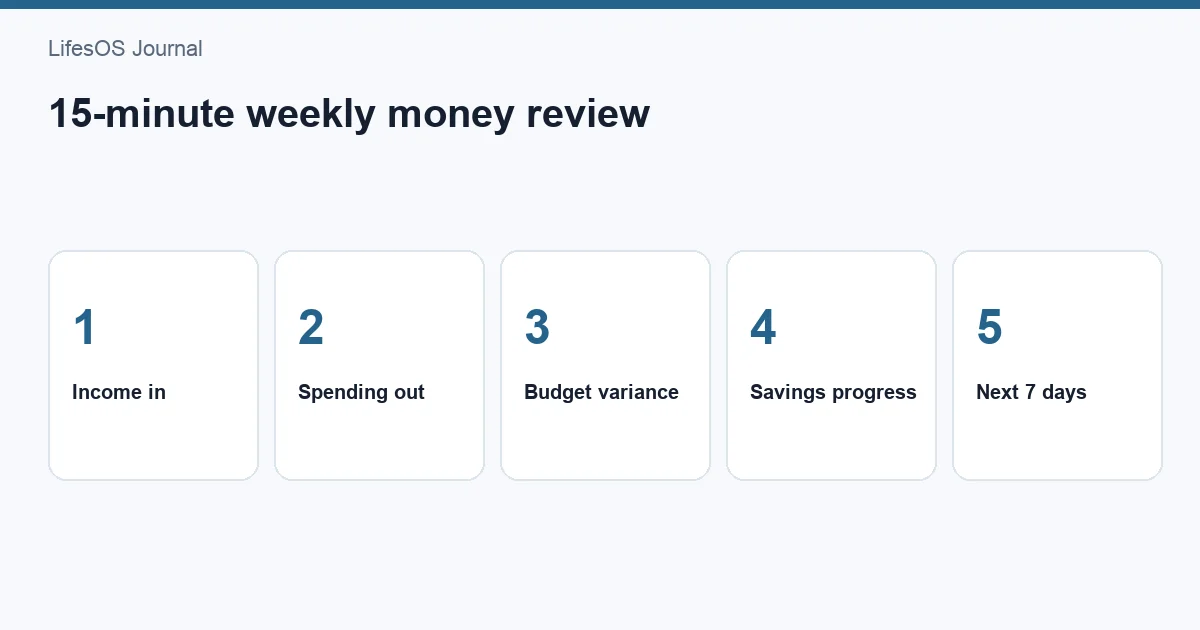
- Review weekly. A short weekly money review catches drift early. Pair it with a monthly look in your monthly financial review.
You need a system, not a perfect budget
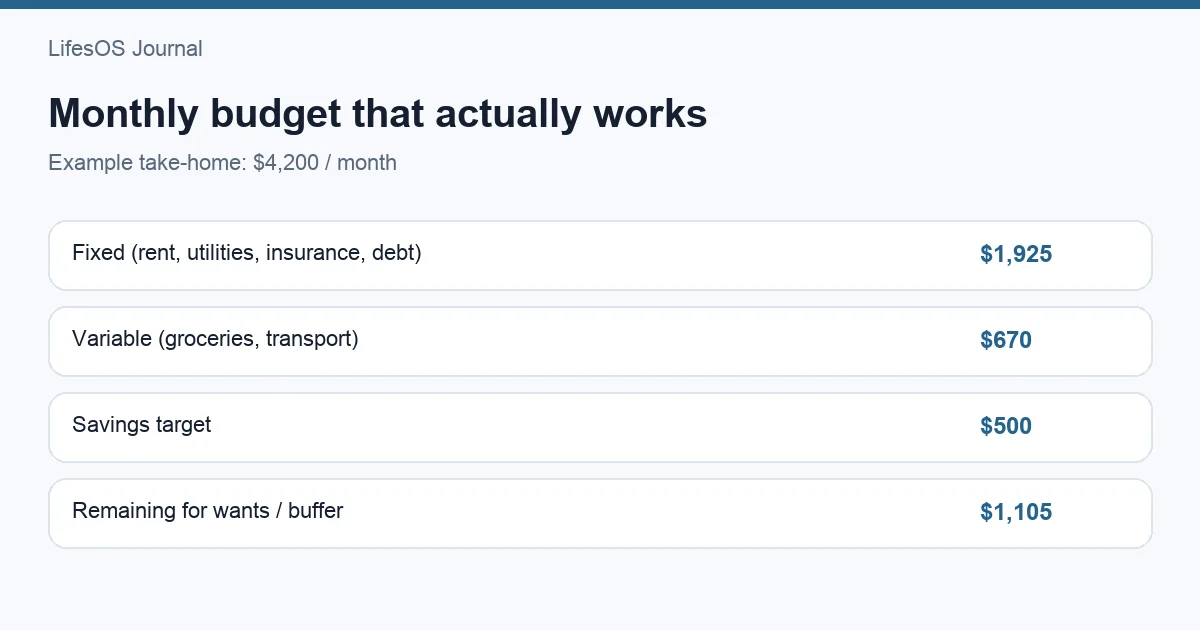
A perfect spreadsheet that you abandon in February helps no one. Start with three to five categories you actually use, realistic targets, and one behavior change per month. If dining out runs hot, set a weekly limit—not a guilt-driven zero.
When overspending reflects stress or unclear limits, see how to stop overspending for practical adjustments. When income varies, adapt your plan with budgeting on irregular income.
Make one better decision today
Do not try to become financially perfect tomorrow. Pick one action: log yesterday's spending, cancel one unused subscription, or schedule a 15-minute Friday review. Track it. Learn from it. Repeat.
Because motivation changes. Discipline compounds. A small amount saved consistently becomes a habit. A habit becomes a system. And a system, repeated for years, can change your financial life.
Use LifesOS Finance to track spending, plan categories, and keep your weekly review in one place. Download LifesOS and build better financial habits.
FAQ
What is financial discipline?
Financial discipline is the practice of making consistent money decisions aligned with your goals—especially when motivation is low. It relies on systems like tracking, scheduled savings, and regular reviews rather than willpower alone.
How is financial discipline different from budgeting?
Budgeting is a plan for where money should go. Discipline is the behavior and structure that helps you follow the plan over time. You can budget once and still overspend without review habits and clear rules.
What if I miss a day of tracking?
One missed day is normal. Reconcile when you can and return to your routine. Problems grow when gaps become weeks. A two-minute daily check-in is often enough to stay on course.
Should I focus on earning more or spending better?
Both matter long term, but spending and saving habits usually improve faster with the income you already have. Higher earnings without structure often increase lifestyle spending rather than wealth.
This article provides general educational information and is not personalized financial, investment, tax, or legal advice.